Creating the Future with Rock Weathering Technology
The Japan Enhanced Rock Weathering Technology Collaborative Innovation Partnership (J-ERW) is a technical research association that conducts research and development aimed at contributing to the standardization of evaluation methodologies (carbon accounting) and Measurement, Reporting, and Verification (MRV) for CO₂ removal using Enhanced Rock Weathering (ERW), tailored to Japan’s geological and resource conditions.
This website provides an accessible overview of the technology concept, evaluation framework, and research approach.
Project Overview
What is Enhanced Rock Weathering?
Enhanced rock weathering is a technology that removes atmospheric CO₂ using rocks. Its mechanism is a combination of “weathering” and “CO₂ mineralization.”
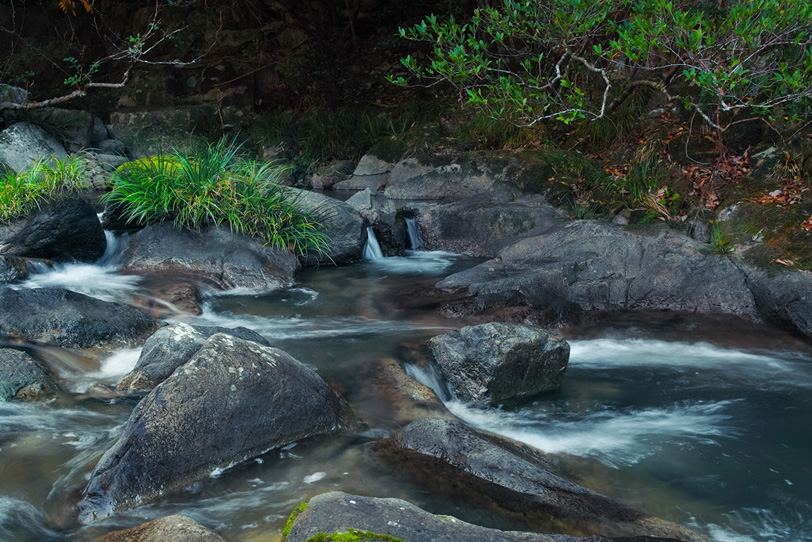
Weathering refers to the process by which rocks are broken down, dissolved, and new substances precipitate under natural environmental conditions. This includes physical structural breakdown and the leaching of constituent elements through chemical reactions, occurring naturally over thousands to tens of thousands of years.
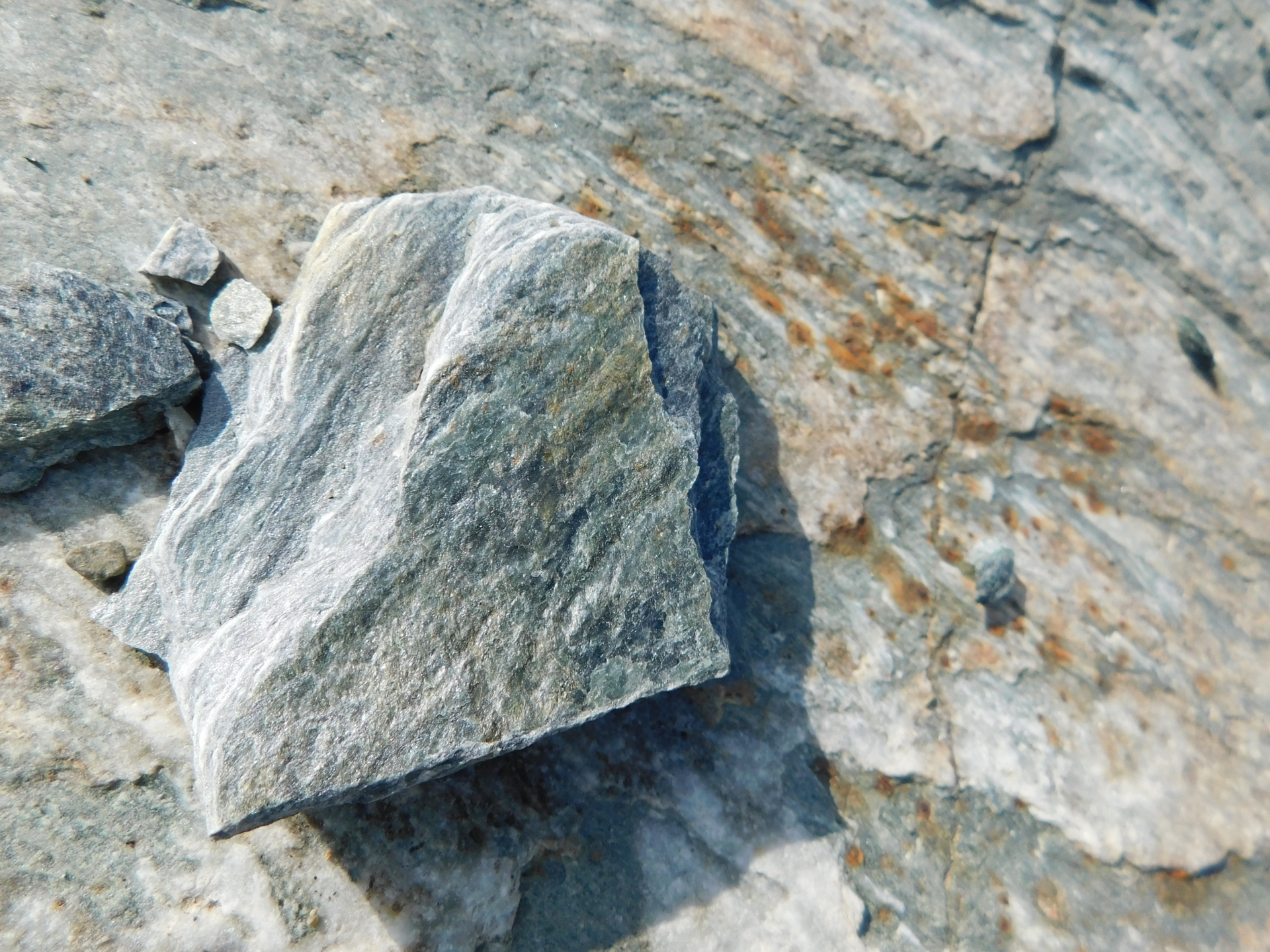
CO₂ mineralization refers to the process in which minerals containing calcium or magnesium in rocks (such as silicates that have not yet reacted with CO₂) chemically bind with atmospheric CO₂ and fix it as carbonate minerals.
Because natural weathering takes a very long time, ERW seeks to accelerate these reactions through engineered approaches such as crushing, dispersal, and control of hydrological conditions. It is also crucial to quantitatively evaluate the net amount of CO₂ fixed (removal minus associated emissions) using carbon accounting.
A-ERW
A-ERW stands for Advanced Enhanced Rock Weathering.
The “A” includes the meanings of:
- Accelerated
- Active (not passive reliance on natural processes)
- Agro-industrial
- Advantageous
- Accurate Accounting
A-ERW is part of research and development conducted under the Moonshot Research and Development Program Goal 4: “Realizing sustainable resource circulation toward global environmental restoration by 2050.”
In this project, efforts have been made to enhance ERW by considering Japan’s geological characteristics and application environments, while also developing information infrastructure to support accurate carbon accounting (including LCA).
J-ERW inherits the technical and evaluation knowledge accumulated through A-ERW and continues to advance research and development as a collaborative association to support the standardization of carbon accounting methodologies and MRV.
LCA/TEA
The effectiveness and cost of enhanced weathering vary significantly depending on factors such as rock type, extraction and crushing conditions, transport distance, and application conditions, resulting in high uncertainty.
To address this, the association develops evaluation tools based on Life Cycle Assessment (LCA) and Techno-Economic Analysis (TEA), enabling assessment of:
Net CO₂ fixation (removal minus associated emissions)
Uncertainty (errors and sensitivity)
Input Parameters (Case Study Variables)
Rock information (mining site, rock type, composition)
Transport (method, distance)
Crushing (method, particle size)
Application (application amount, plant type, timing)
Output Results (Impacts and Benefits of Enhanced Weathering)
CO₂ fixation amount (kg-CO₂ per ton-rock per year)
CO₂ emissions across the entire process (kg-CO₂ per ton-rock per year)
Total cost (JPY per ton-rock per year)
Total profit (JPY per ton-rock per year)
Organization of co-benefits

Message from the Representative Director
We are an organization of engineers, researchers, and business operators working collaboratively toward the practical implementation and societal deployment of CO₂ absorption technology using enhanced rock weathering (ERW). We are a legally recognized entity approved by the Minister of Economy, Trade and Industry.
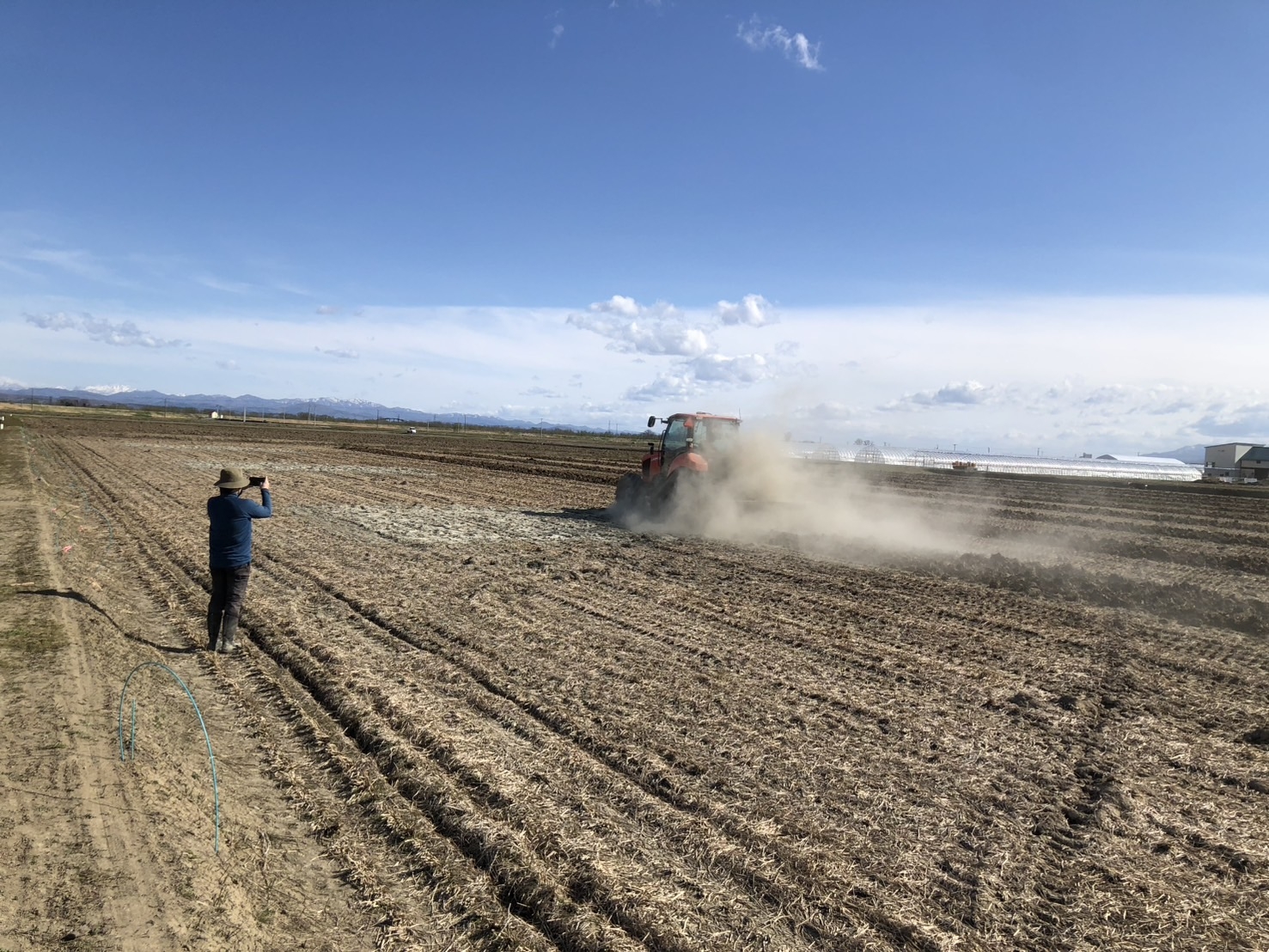
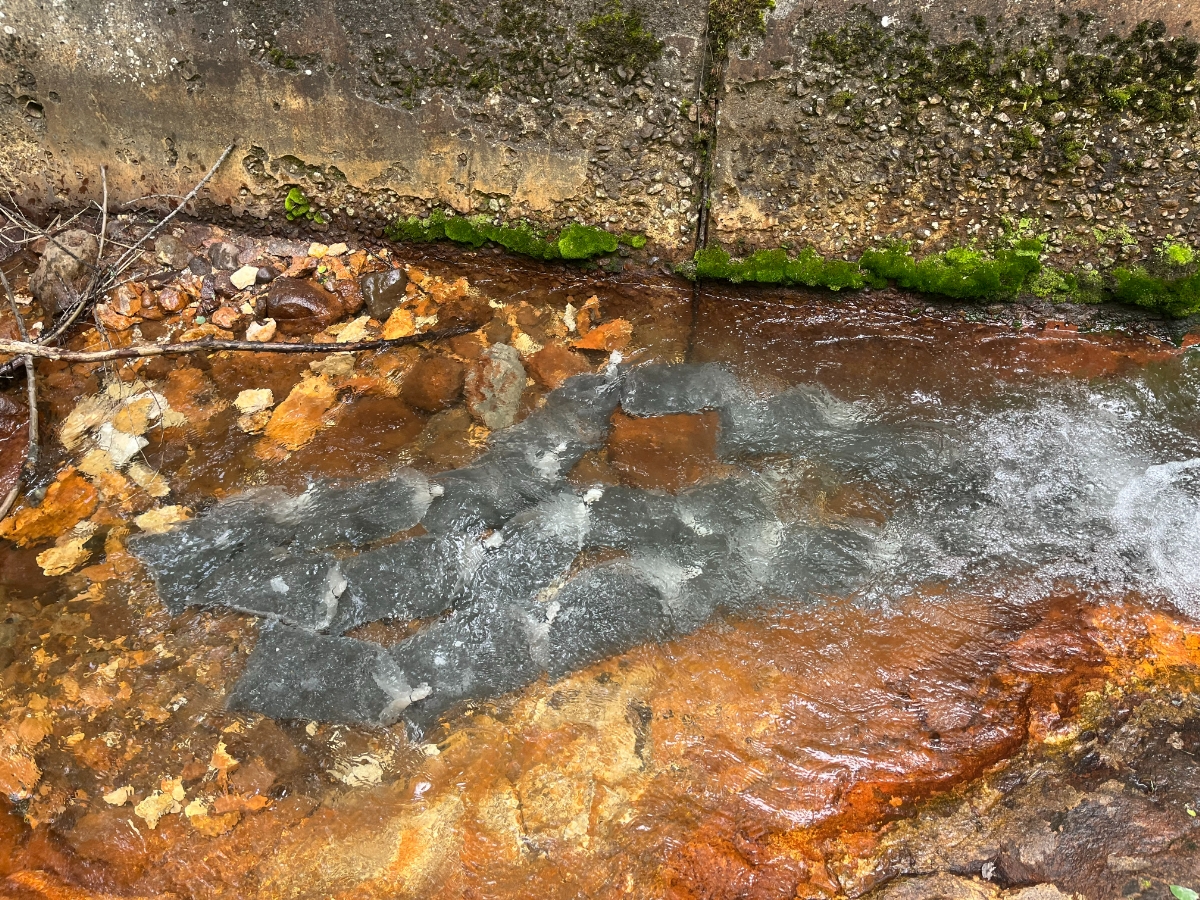
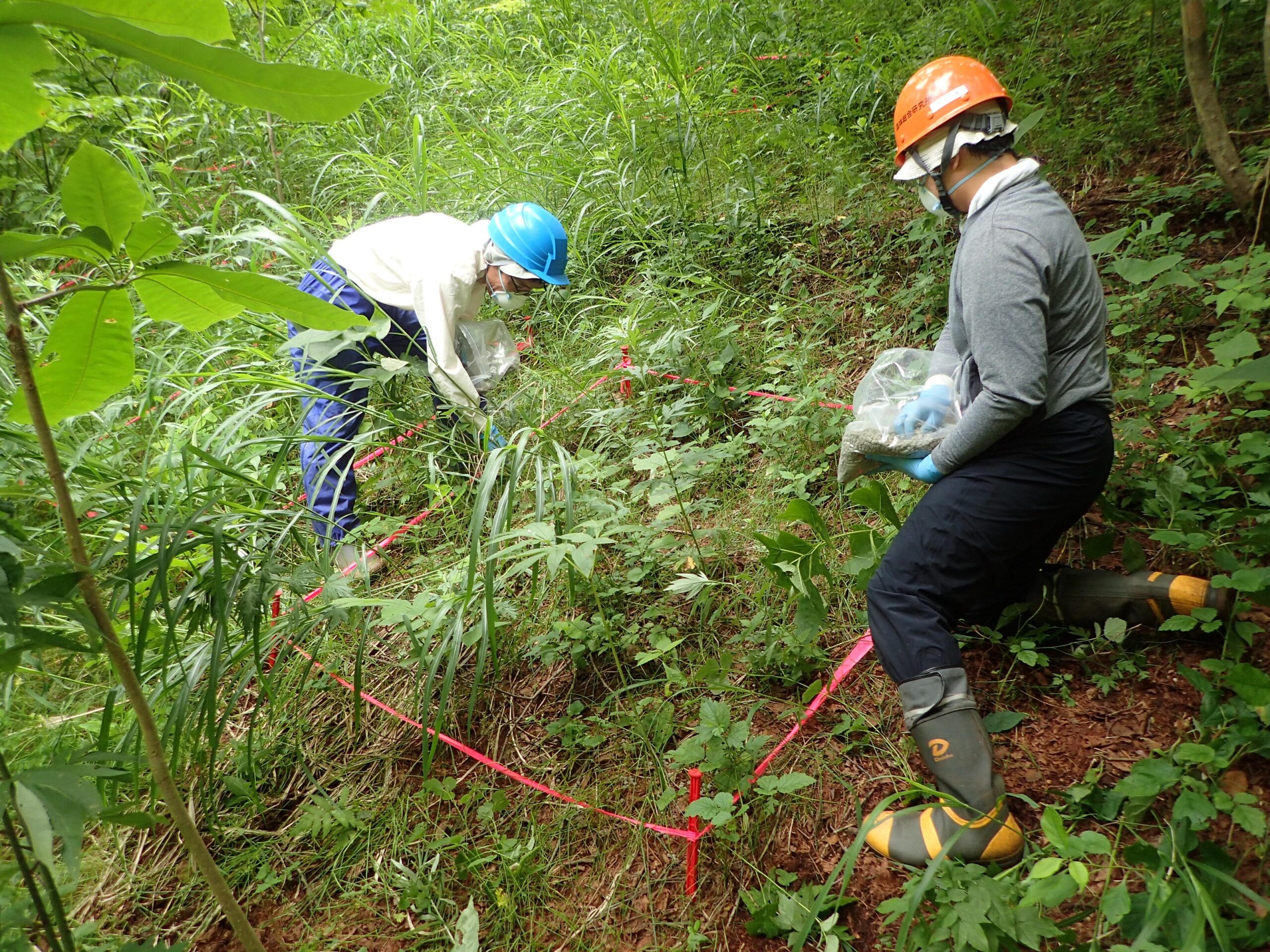
By finely crushing basic rocks such as basalt and bringing them into contact with atmospheric CO₂ (gas-solid interaction), CO₂ can be fixed as minerals. Additionally, by applying these materials to farmland, forests, or acidic mine drainage in abandoned or closed mines, weathering reactions can be accelerated, allowing atmospheric CO₂ to be stably sequestered over the long term as carbonate minerals or bicarbonate ions.
This technology, which utilizes natural processes, is gaining global attention as a “negative emissions” solution.
Within our association, academia, industry, and government institutions collaborate to advance technology development and pave the way for societal implementation based on scientific evidence. We work daily by pooling knowledge and expertise.
We also value collaboration with local communities, advancing comprehensive verification that includes safety, economic viability, and environmental impact assessment.
Achieving a decarbonized society cannot be accomplished overnight. However, we have a responsibility to act in order to pass on a healthy global environment to future generations.
We will continue to work sincerely so that initiatives based on the wisdom of nature—CO₂ absorption through enhanced weathering—can contribute to building a sustainable society.
We sincerely appreciate your understanding and support.
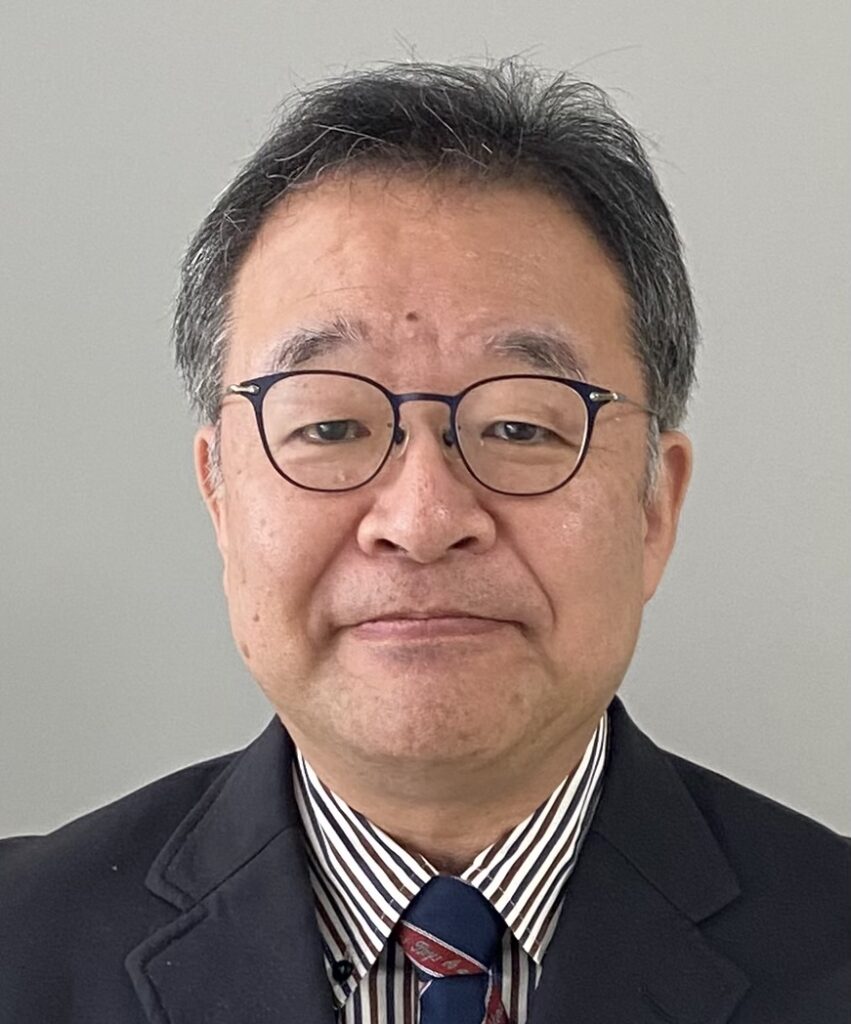
Tsutomu Sato
Representative Director
Japan Enhanced Rock Weathering Technology Collaborative Innovation Partnership